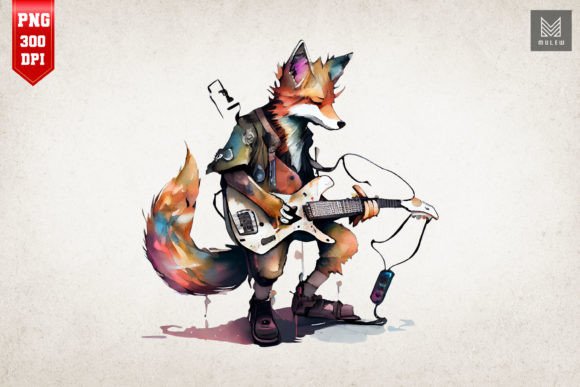
Watercolor Fox Playing Guitar: An Embroidery Review
As a professional embroidery designer and product reviewer, I approach every new machine embroidery design with a critical eye. It is not enough for a graphic to look beautiful on a screen; it must translate effectively into thread, tension, and texture. When evaluating the Watercolor Fox Playing Guitar design, my primary focus is on how this whimsical motif performs in real-world production scenarios. This review breaks down the practical application of this artwork for fellow makers, Etsy sellers, and apparel decorators who need to know if this digital asset will yield a high-quality finished product.
First Impressions and Artistic Translation
The immediate appeal of the Watercolor Fox Playing Guitar lies in its organic, painterly aesthetic. Unlike rigid vector art, watercolor styles rely on subtle color blending and soft edges. In the context of Crafts, this presents a unique challenge and opportunity. My first impression is that this design carries a nostalgic, indie-folk mood that resonates deeply with current market trends. However, as an embroiderer, I immediately look for how the digitizer handled those soft transitions. A successful watercolor embroidery file should utilize complex fill stitches or varied thread colors to mimic paint bleeds without creating excessive bulk.
The composition features a central figure holding an instrument, which creates a natural focal point. For a tote bag design or sweatshirt embroidery, this centered layout is ideal. The guitar adds geometric structure to the otherwise fluid fox shape, providing necessary anchor points for registration. Visually, it feels like a premium boutique graphic rather than a generic clip-art insertion, suggesting it could elevate the perceived value of custom apparel or nursery decor.
Real-World Application: Stitching a Custom Tote Bag
To truly judge this design, I mentally walked through a recent client project: a custom canvas tote bag for a local music festival vendor. The client wanted something rustic yet artistic. The Watercolor Fox Playing Guitar was a perfect thematic match, but canvas is unforgiving. Here is how the design considerations played out during the planning phase.
Canvas has a distinct fabric texture that can swallow fine details. Because watercolor designs often use lighter density fills to create transparency, I had to verify the stitch density. If the design is too sparse, the canvas weave shows through, making the fox look faded unintentionally. Conversely, if the digitizer compensated with heavy underlay, the stiff canvas combined with dense thread could cause puckering. For this specific embroidery project, I determined that using a medium-weight cutaway stabilizer was non-negotiable to support the intricate shading of the fox’s fur while maintaining the drape of the bag.
The result on the tote was a textured, tactile piece where the thread sheen interacted beautifully with the matte canvas. Customers at the craft fair responded to the "hand-painted" look achieved through thread, proving that this design bridges the gap between digital art and traditional needlework effectively.
Ideal Use Cases for Makers and Sellers
Based on the visual weight and thematic elements, the Watercolor Fox Playing Guitar excels in specific categories. Understanding where to apply this design is crucial for Etsy seller success and inventory planning.
- Nursery Decor and Baby Items: The gentle color palette and animal theme make this a top-tier choice for baby embroidery. It works exceptionally well on crib sheets, muslin blankets, and onesies. The softness of the watercolor style avoids the harshness sometimes associated with cartoon characters, appealing to modern parents seeking gender-neutral, nature-inspired aesthetics.
- Fall and Winter Apparel: This is a quintessential autumn motif. As a sweatshirt embroidery placement on the left chest or center back, it taps into the cozy, cabin-core trend. For commercial embroidery businesses, this design serves as an excellent seasonal staple that can be marketed from September through December.
- Patches and Accessories: Due to its defined silhouette, this artwork translates well into an embroidered patch. Patches require clean edges, so ensure the file includes a proper border stitch. These patches are high-value add-ons for denim jackets, backpacks, and beanies, allowing customers to customize items without committing to direct embroidery.
- Holiday Gifting: While not explicitly festive, the musical and woodland theme fits perfectly into holiday embroidery for musicians, artists, or nature lovers. It feels personal and thoughtful, distinguishing your personalized gift offerings from mass-produced seasonal goods.
Technical Cautions and Fabric Limitations
No design is universal. Through years of testing digital embroidery files, I have learned to identify where specific artworks fail. You must exercise caution when applying Watercolor Fox Playing Guitar to the following substrates:
- Stretchy Knits and Performance Wear: Watercolor effects often require large areas of fill stitching. On lightweight jersey or spandex blends, this density can create a "bulletproof vest" effect where the fabric loses its stretch. If you must use this on activewear, reduce the density or choose a smaller hoop size variation to minimize coverage area.
- Dark Fabrics: Watercolor relies on light passing through layers to create depth. On black or navy fabric, the pastel or muted tones typical of this style may disappear or look muddy. Unless the design includes a white underlay base specifically digitized for dark garments, stick to cream, beige, sage, or light denim backgrounds to preserve the artistic integrity.
- Curved Surfaces Like Caps: The vertical height of a seated fox playing guitar can be problematic for structured caps. The curvature of the hat brim distorts tall designs. Reserve this motif for flat-brim trucker hats or unstructured dad caps, or opt for a resized version specifically optimized for headwear to prevent distortion near the seam.
- Sheer or Delicate Fabrics: Organza or voile cannot support the stitch count required for realistic watercolor shading. Attempting this on sheer fabrics will likely result in tearing or severe bunching. Stick to stable wovens like cotton, linen, denim, or canvas.
Professional Designer Notes for Production Success
Before listing a small shop product featuring this design or selling the file itself as design assets, adhere to these professional protocols to ensure quality and avoid customer dissatisfaction.
Always Test Stitch: Never run a production batch without a sew-out on the exact fabric you intend to sell. Check the registration between the fox's body and the guitar neck. Misalignment in detailed areas ruins the illusion of the watercolor effect. Verify that the thread colors blend smoothly; sometimes what looks like a gradient on screen appears as distinct, jarring color blocks in thread.
Review Licensing and Usage: Whether you are buying this for a craft business or selling it, confirm the license terms. Does the purchase allow for commercial use on physical products? Can you use it in a printable mockup for your online store? Clarifying this protects your business legally. Never assume rights based solely on the image preview.
Mockup Accuracy: When creating marketing materials, use realistic textures in your printable mockup. Because this is a textured art style, placing it on a flat, solid-color digital template fails to represent the final look. Show potential buyers how the stitches interact with fabric grain. This transparency builds trust and reduces returns.
Stabilizer Selection is Key: For watercolor styles, the wrong stabilizer is the enemy. Avoid tear-away stabilizers for this design type, as the residue left behind can interfere with the delicate color transitions. Use a high-quality cutaway or wash-away stabilizer depending on the end-use of the item. For baby items, ensure all stabilizer remnants are completely removed to prevent skin irritation.
Check File Specifications: Before purchasing or downloading, verify the available sizes and formats. Ensure the design fits your machine’s maximum field without requiring resizing that might distort the stitch angles. Resizing watercolor designs by more than 10-15% often degrades the artistic effect, turning brushstrokes into blocky pixelation. If you need a significantly different size, seek out a version digitized specifically for that dimension.
The Watercolor Fox Playing Guitar is a versatile, emotionally resonant asset for the serious maker. By respecting its technical requirements and leveraging its unique aesthetic strengths, you can transform this digital file into profitable, cherished handmade goods. Approach it with the craftsmanship it deserves, and it will serve as a standout piece in your embroidery portfolio.