Fuchsia Watercolor Background: A Designer’s Real-World Review
First Impressions: Soft Yet Bold, Artistic Yet Practical
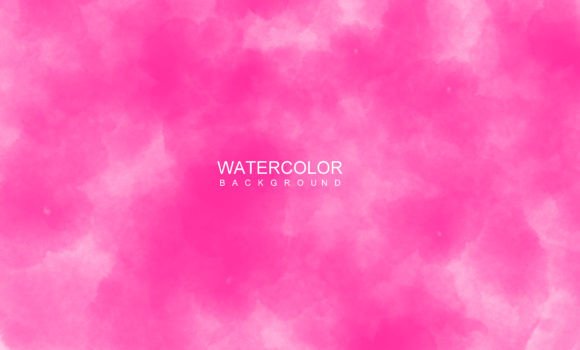
Opening the Fuchsia Watercolor Background embroidery file, I immediately sensed a balance between painterly charm and structured design. The soft gradients and flowing edges mimic brushstrokes, giving it a hand-painted feel without overwhelming the fabric. This makes it ideal for boutique-style tote bags, embroidered pillow covers, or even a custom baby blanket where warmth and softness are key.
From a design standpoint, the layout feels intentional—neither too dense nor too sparse. It’s a background that supports rather than competes, especially when layered with text or a focal embroidery element. The color transitions suggest a modern, artistic edge, which could elevate a simple handmade apron or personalized sweatshirt into something with boutique-level appeal.
Real-Life Use: From Sweatshirts to Holiday Gifts
Testing this design on a mid-weight cotton tote bag, I noticed how well the watercolor effect translated through thread. The satin and fill stitches blended smoothly, mimicking the original watercolor washes. It held up surprisingly well on a slightly textured linen tea towel too, though I made sure to use a lightweight cutaway stabilizer to prevent puckering.
For a recent custom order, I stitched Fuchsia Watercolor Background onto a sweatshirt paired with a minimalist monogram. The result was elegant—soft enough for a gift item, yet professional enough for a small shop listing. I could see this working well for Etsy sellers looking to add a touch of artistry to their embroidered apparel or accessories without overcomplicating the design.
When used on a curved surface like a baseball cap, the background required a bit more attention to hooping and tension. But with a firm stabilizer and careful placement, it still delivered a clean, artistic finish. It’s definitely a design that rewards thoughtful execution.
Where to Use It Carefully
While Fuchsia Watercolor Background is versatile, it does have limitations. On stretchy knit fabrics like those used for baby onesies, the background’s soft edges can distort slightly during stitching. I recommend testing on a similar fabric first and adjusting tension or stabilizer layers as needed.
Small hoop sizes also pose a challenge. The watercolor effect relies on subtle gradations, which can get lost or compressed in tighter spaces. If you’re planning to use this on a small patch or a tiny embroidered corner accent, consider simplifying or scaling down the design to preserve clarity.
Dark fabrics require extra consideration too. The fuchsia tones still stand out, but some of the lighter washes may blend into the background. A quick black and white mockup before stitching can help visualize contrast and ensure readability.
How It Impacts Final Product Appeal
One of the biggest strengths of this design is its ability to elevate the perceived value of a finished product. Whether it’s stitched onto a boutique tote or used as a backdrop for a personalized pillow, the Fuchsia Watercolor Background adds a layer of sophistication that feels handmade yet intentional.
From a branding perspective, this design could work well for small creative businesses aiming for a cohesive, artistic look across their merchandise. It’s especially effective for Etsy sellers who want to offer something that feels unique and expressive without veering into overly trendy territory.
Customer reactions have been positive—especially for gift items. The soft, romantic tones of the fuchsia palette make it appealing for baby showers, bridal gifts, or even a personalized birthday present. It’s not overly feminine, but it does lean toward a warmer, more inviting aesthetic that resonates well with gift buyers.
Designer Notes: What to Check Before Stitching
- Test on scrap fabric first—especially if you’re using textured or stretchy materials.
- Review stitch density to avoid puckering, especially on thinner fabrics.
- Check thread color contrast on both light and dark backgrounds to ensure visual clarity.
- Use the right stabilizer—lightweight cutaway or tear-away works best for this type of background.
- Confirm hoop size compatibility before stitching on curved or limited-space items like caps.
- Inspect small details under magnification, especially if you plan to scale the design up or down.
- Test in black and white mockups to evaluate contrast and overall balance before final stitching.
- Verify licensing if you plan to sell finished items or include this in digital product bundles.
This is definitely a design worth keeping in your embroidery project toolkit. Whether you’re creating a custom embroidered patch for a client or designing a small batch of personalized gifts, the Fuchsia Watercolor Background offers a soft, artistic touch that translates well across a variety of fabric types and product styles.
Just remember: like any artistic design, it performs best when you take the time to understand how it behaves on different materials and in different contexts. A little planning goes a long way in making sure the final stitched result lives up to its digital promise.